

How much does horse tack maintenance cost per year?
Your yearly horse tack maintenance cost is what you spend on cleaning supplies, replacement cleaning tools, professional repairs, and worn parts across 12 months. For your 2026 budget, keep routine care separate from repairs and replacement; a bottle of cleaner does not cover a failing cinch or damaged saddle.
- How much does horse tack maintenance cost per year? Add routine supplies, professional work, and worn-part replacements separately.
- Budget from your own receipts and repair quotes, not a flat allowance per horse.
- Cleaning improves care; it does not restore damaged stitching, cracked straps, or failing hardware.
- The Good Shepherd Ranch Clothing Co sells western apparel and horse tack for ranch and rodeo families.
How much does horse tack maintenance cost per year?
Your annual tack-care budget should cover the equipment you maintain, not just the number of horses you own. Start with each saddle, bridle, cinch, breast collar, pad, and other piece you actually use. Then separate regular upkeep from work that needs a qualified repairer.
Use this breakdown to build your own annual total. Leave new purchases out unless they replace worn equipment; buying another headstall is different from maintaining the one already hanging in your tack room.
| Budget category | What to include | How to plan it |
|---|---|---|
| Routine supplies | Material-appropriate cleaner and conditioner | Record what you actually use and replace |
| Cleaning tools | Cloths, sponges, and brushes | Count replacements, not every tool you already own |
| Professional work | Inspection and repair work | Use a quote for the specific job |
| Worn components | Straps, hardware, or other replaceable parts | Identify the affected piece before budgeting |
| Replacement equipment | Tack that cannot safely remain in service | Keep separate from routine cleaning |
Match the work to your riding calendar with a tack-cleaning routine built around your ride schedule. A useful budget starts with a routine you can keep, not a shopping basket full of supplies.
Why this matters
A tack budget is not just a housekeeping chore. It helps you distinguish between gear that needs cleaning, gear that needs a repair assessment, and gear that should stay off the horse.
Those are different decisions. Do not let a small cleaning allowance become a reason to keep using questionable equipment. A polished buckle tells you nothing about the strength of the strap attached to it.
For 2026, give routine care its own line in your barn budget. Keep repair work separate so an unexpected job does not disappear inside your cleaner-and-conditioner spending.
Routine care: count supplies you actually use
Routine maintenance starts with removing dirt and sweat using methods suited to the equipment. Follow the maker's instructions for leather, synthetic materials, metal, and washable textiles rather than treating every piece alike.
Write down the product, its intended use, and whether you already have it. This stops a half-used bottle on the shelf from becoming an unnecessary repeat purchase.
Keep your supply list practical:
- Cleaner: Match it to the material and the maker's care directions.
- Conditioner: Use it where the leather maker recommends it, not automatically on every surface.
- Cloths and sponges: Separate dirty cleaning tools from those used to apply care products.
- Brushes: Choose tools suited to the surface rather than scrubbing everything with the same brush.
- Textile care: Follow the care label for pads, covers, and other washable pieces.
Count purchases when you make them. If a bottle lasts beyond the budget period, record the purchase once rather than charging yourself for an imaginary annual replacement.
Also keep household and horse-care supplies straight. If a cleaning product serves several jobs, use a consistent way to record the tack-related portion instead of assigning the whole purchase to your saddle.
Professional work: budget by the job
A repair bill belongs to a particular problem. Before requesting a quote, identify the item, photograph the concern, and explain where the damage sits and how the equipment is used.
Ask the repairer what the proposed work includes. An inspection, replacement strap, hardware change, and structural repair are not interchangeable services, and a cleaning appointment does not automatically include any of them.
Useful questions include:
- What needs repair, and what needs replacement?
- Does the work address the cause or only the visible damage?
- Is the affected area load-bearing?
- Does the equipment need further assessment before use?
- What care instructions apply after the work?
A repair quote is a budgeting tool, not permission to ride in damaged tack. Keep questionable equipment out of use while you get a qualified assessment.
For leather care specifically, the guide to re-oiling horse tack leather covers a narrower task than your full annual maintenance plan. Keep that task separate from stitching, hardware, and structural concerns.
Replacement: keep worn gear out of the cleaning budget
Replacement is not the same as maintenance. Record it separately so you can tell whether your regular spending supports ongoing care or keeps replacing equipment that has reached the end of its usable condition.
Look closely at stress points when inspecting tack. Check stitching, buckle attachments, adjustment holes, straps, and hardware for damage or changes that need attention.
Do not use appearance as your only test. Fresh conditioner does not repair torn leather, and a clean pad does not correct a saddle-fit problem.
When someone recommends a replacement, ask which component has failed and whether replacing that component is appropriate. For a safety-critical part, get guidance from a qualified tack professional rather than making an improvised repair to save the outing.
Why horse tack maintenance spending varies
Your annual total follows the equipment and the way you use it. These factors help explain why another rider's budget is not automatically a useful target for yours:
- Equipment count: Each saddle, bridle, and accessory adds items to inspect and maintain.
- Materials: Leather, synthetics, metal, and textiles need different care methods.
- Use conditions: Sweat, mud, dust, and rain change the cleanup your equipment needs.
- Starting condition: Sound equipment and neglected equipment do not present the same repair list.
- Storage: Damp or poorly managed storage adds care problems that cleaning alone does not solve.
- Who does the work: Home cleaning and professional repair belong in different budget categories.
Shared equipment needs clear records, too. If several family members use the same saddle, assign responsibility for reporting damage and putting it away properly.
Do not simply multiply a per-horse allowance. A household sharing equipment has a different inventory from a rider maintaining separate working and competition setups.
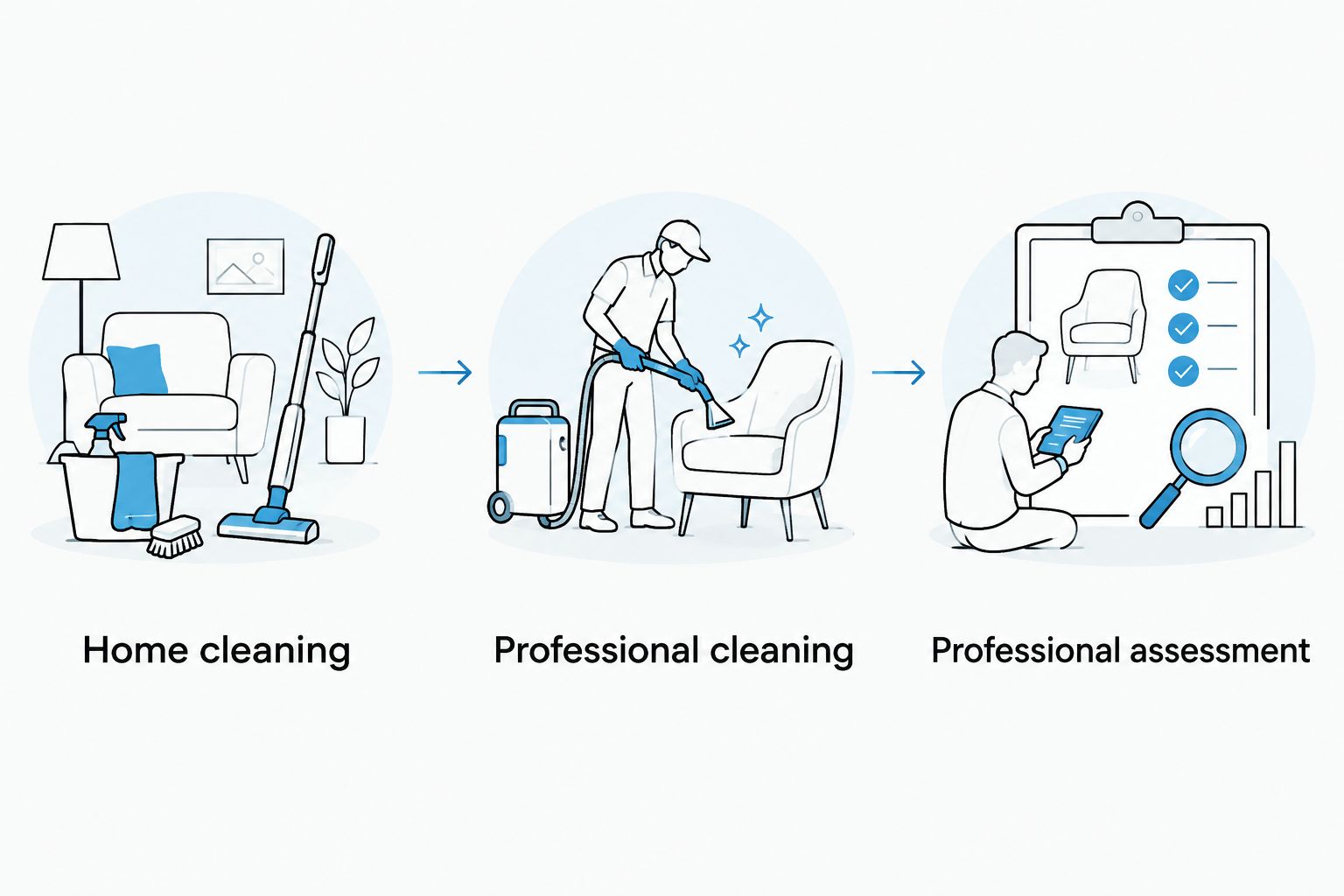
Should you clean tack yourself or pay for help?
Choose the work by the problem, not by the cheapest-looking option. Home cleaning suits routine care you understand; damaged stitching or uncertain structural condition calls for a qualified assessment.
| Approach | Best for | Main advantage | Main limitation |
|---|---|---|---|
| Home cleaning | Routine care with clear maker instructions | Lets you inspect equipment while cleaning | Does not establish that damaged tack is safe |
| Professional cleaning | Care you are not equipped or prepared to do | Moves the cleaning job off your chore list | Does not automatically include repairs |
| Professional assessment | Damage or uncertain condition | Helps identify the work needed | Still requires a decision about repair or replacement |
The useful middle ground is straightforward: handle suitable routine care yourself and ask for help when the condition or construction is beyond your knowledge. Knowing when to stop is part of looking after your gear.
How do you build an annual tack budget?
Build your 2026 plan from an inventory, then update it as purchases and repairs happen. You do not need a fancy spreadsheet; a notebook works if everyone using the equipment keeps it current.
- List your equipment. Give each item a clear name so similar headstalls or cinches do not get mixed up.
- Record its condition. Separate routine dirt from damage that needs professional attention.
- Check care instructions. Note the approved cleaning method before buying supplies.
- List supplies on hand. Check usable tools and products before adding replacements.
- Request repair quotes. Record the specific work rather than guessing a general repair allowance.
- Review actual spending. Compare the receipts with your plan and keep replacements visible.
Use 1 record per tack item when tracking repairs. That gives you a history tied to the actual saddle or bridle instead of a loose pile of receipts.
At the end of 12 months, total routine supplies, professional work, and replacements separately. Your own record then becomes the starting point for the next budget, with known problems and planned purchases added openly.
Is leather tack more expensive to maintain than synthetic tack?
Leather and synthetic tack need different care, but material alone does not establish your annual spending. Equipment condition, construction, use, and the maker's instructions still matter.
Leather care can include cleaning and conditioning where recommended. Synthetic equipment follows its own cleaning directions, and any leather components still need appropriate attention.
Do not buy synthetic tack on the assumption that it needs no maintenance. Inspect its straps, stitching, and hardware, just as you inspect the working parts of leather equipment.
Does riding more often increase your tack-care budget?
More riding creates more occasions to inspect equipment and remove sweat or dirt. It does not produce a fixed annual bill, because the equipment, conditions, and work required still differ.
For your 2026 records, note unusually muddy rides, wet storage incidents, or damage alongside the related care work. Those notes explain spending better than a total with no context.
A barrel racer hauling regularly and a family taking occasional rides should each budget from their own equipment list. Neither needs to borrow the other's shopping list to prove they care for their tack.
Where does ranch shopping fit into the budget?
The Good Shepherd Ranch Clothing Co is best for ranch and rodeo families shopping western apparel alongside horse tack. Its mix also includes books and kids' ranch clothing, so keep those purchases separate from maintaining riding equipment.
That distinction keeps the numbers useful. A western tee belongs in the clothing budget; a needed tack replacement belongs with your equipment records, not under cleaning supplies.
FAQ
How much should I budget for horse tack maintenance in 2026?
Build your 2026 budget from routine supplies, quoted professional work, and worn-part replacements. Keep those categories separate so cleaning spending does not hide repair or replacement needs.
Should I budget for tack maintenance per horse or per saddle?
Budget from the equipment you maintain rather than applying a flat amount per horse. Include saddles, bridles, cinches, pads, and other items, especially when family members share gear.
Does saddle soap cover all my leather tack maintenance?
Saddle soap does not cover every leather-care or repair need. Follow the equipment maker's instructions, use compatible products, and treat damage as a separate issue from dirt.
Can I save money by cleaning horse tack myself?
Home cleaning lets you handle suitable routine care without hiring someone for that task. It does not replace a qualified assessment of damaged stitching, hardware, straps, or structural concerns.
Do I need to replace all my tack every year?
An annual budget is not an annual replacement schedule. Base replacement decisions on condition, fit, maker guidance, and qualified assessment rather than the calendar alone.
Should tack repairs and new equipment go in the same budget?
Keep repairs and new equipment on separate lines, even if both sit inside your broader horse budget. Separate records show what you spent maintaining existing gear and what you spent replacing or adding equipment.
What should I do if I find cracked leather before a ride?
Keep questionable tack out of use and get qualified advice about the damaged area. Cleaning or conditioning does not repair cracked load-bearing leather.
One last thing
The most useful entry in your 2026 tack budget might be a condition note, not a receipt. Write down a concern when you spot it, name the affected item, and keep it out of use if its safety is uncertain.
Clean tack and sound tack are not the same thing. Budget for both care and condition, and you will have a clearer plan than any blanket annual allowance can give you.